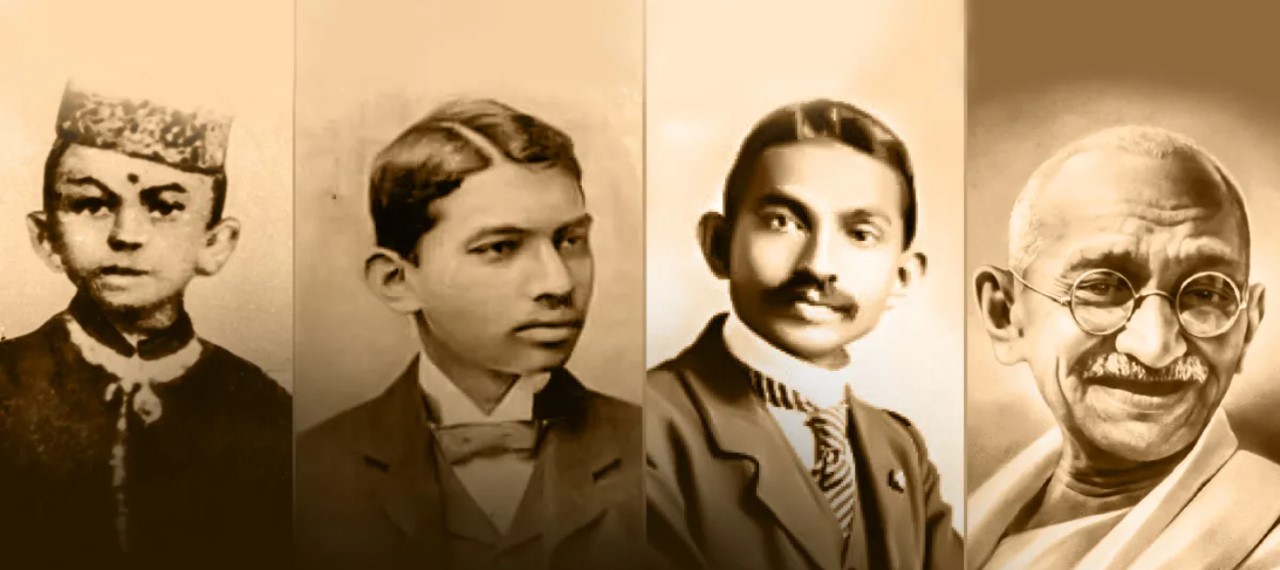
Fighting for Civil Rights in South Africa
While traveling to Pretoria by train, Gandhi, despite carrying first class ticket, was thrown out of the train by the authorities because a white man complained of an Indian sharing the space with him. This passive resistance: Satyagraha (devotion to truth) was born in Gandhi and evolved in South Africa that started the fight of injustice and defend his rights as an Indian and a man.
"Non-violence is the greatest force at the disposal of mankind. It is mightier than the mightiest
weapon of destruction devised by the ingenuity of man. Non-cooperation with evil is as much a duty as is cooperation with good."
~ Mahatma Gandhi
Satyagraha: the first campaign
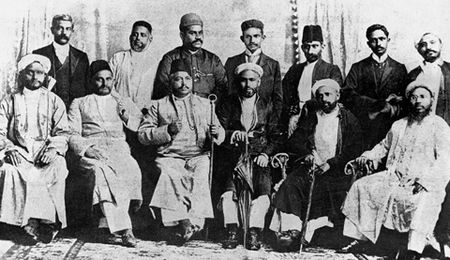
Gandhi formed Natal Indian Congress to fight discrimination against Indian traders in Natal, 1894, South African History Online.
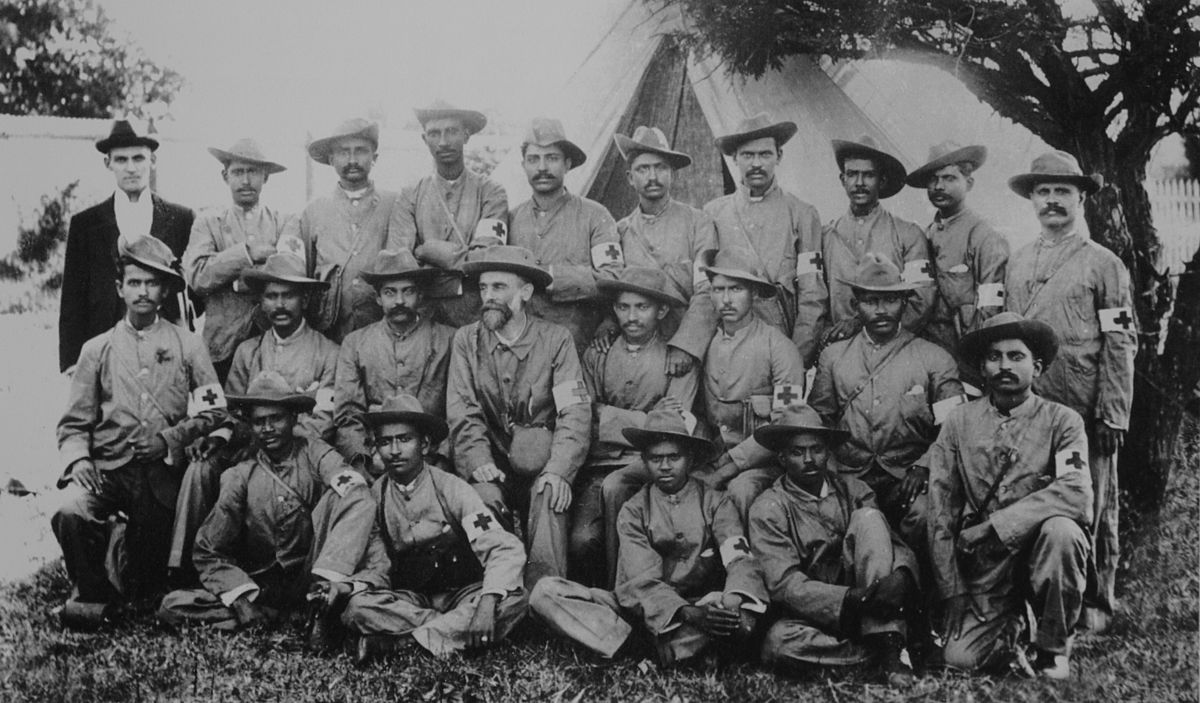
Gandhi with the stretcher-bearers of the Indian Ambulance Corps during the Boer War,1899, South African History Online.
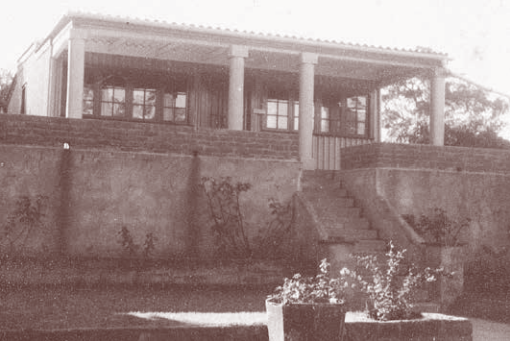
Gandhi’s corrugated cottage at Phoenix Settlement where he trained his cadres on non-violent Satyagraha,n.d., South African History Online.
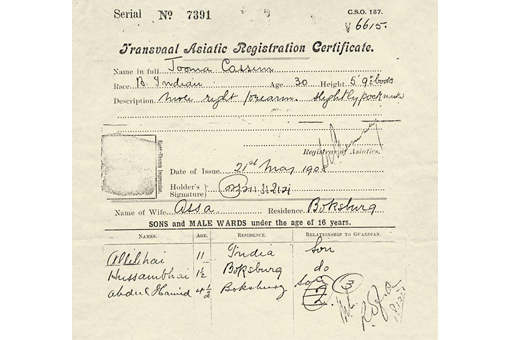
Transvaal Asiatic ordinance constituted against the local Indians,n.d.,South African History Online.
"After a night’s work which had shattered men with much bigger frames, I came across Gandhi in the early morning sitting by the roadside eating a regulation army biscuit. Every man in [General] Buller’s force was dull and depressed, and damnation was heartily invoked on everything. But Gandhi was stoical in his bearing, cheerful and confident in his conversation and had a kindly eye."
~ Pretoria News, an insightful portrait of Gandhi in the battle zone
The 1913 Campaign: Strikers and Marchers
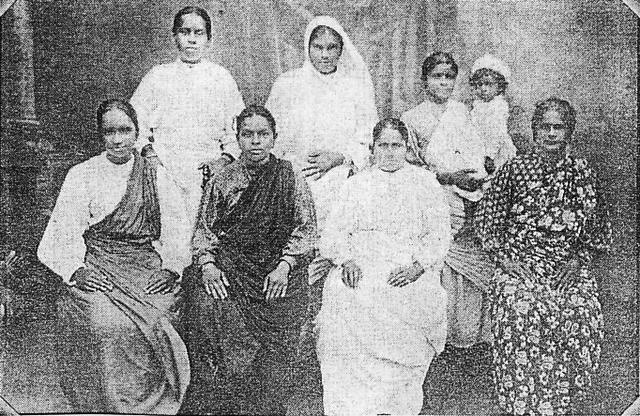
Women jailed for the passive resistance campaign, 1913,South African History Online.
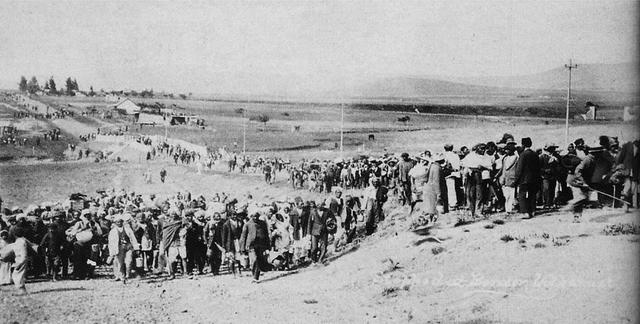
Peaceful resistance campaign in Transvaal, 1913,South African History Online.
"should be very careful how they deal with a man who cares nothing for sensual pleasure, nothing for riches, nothing for comfort or praise, or promotion, but is simply determined to do what he believes to be right. He is a dangerous and uncomfortable enemy, because his body which you can always conquer gives you so little purchase upon his soul."
~ Gilbert Murray, British Classical scholar, wrote about Gandhi in the Hibbert Journal in 1918